
Natural raffia is a flexible, ribbon-like fiber prepared from palm leaflets. Its visible strand edges and variation in shade give woven surfaces a different character from cloth made with tightly spun yarn. Those same variations are worth specifying when a buyer needs a consistent finish across orders.

What Is Natural Raffia?
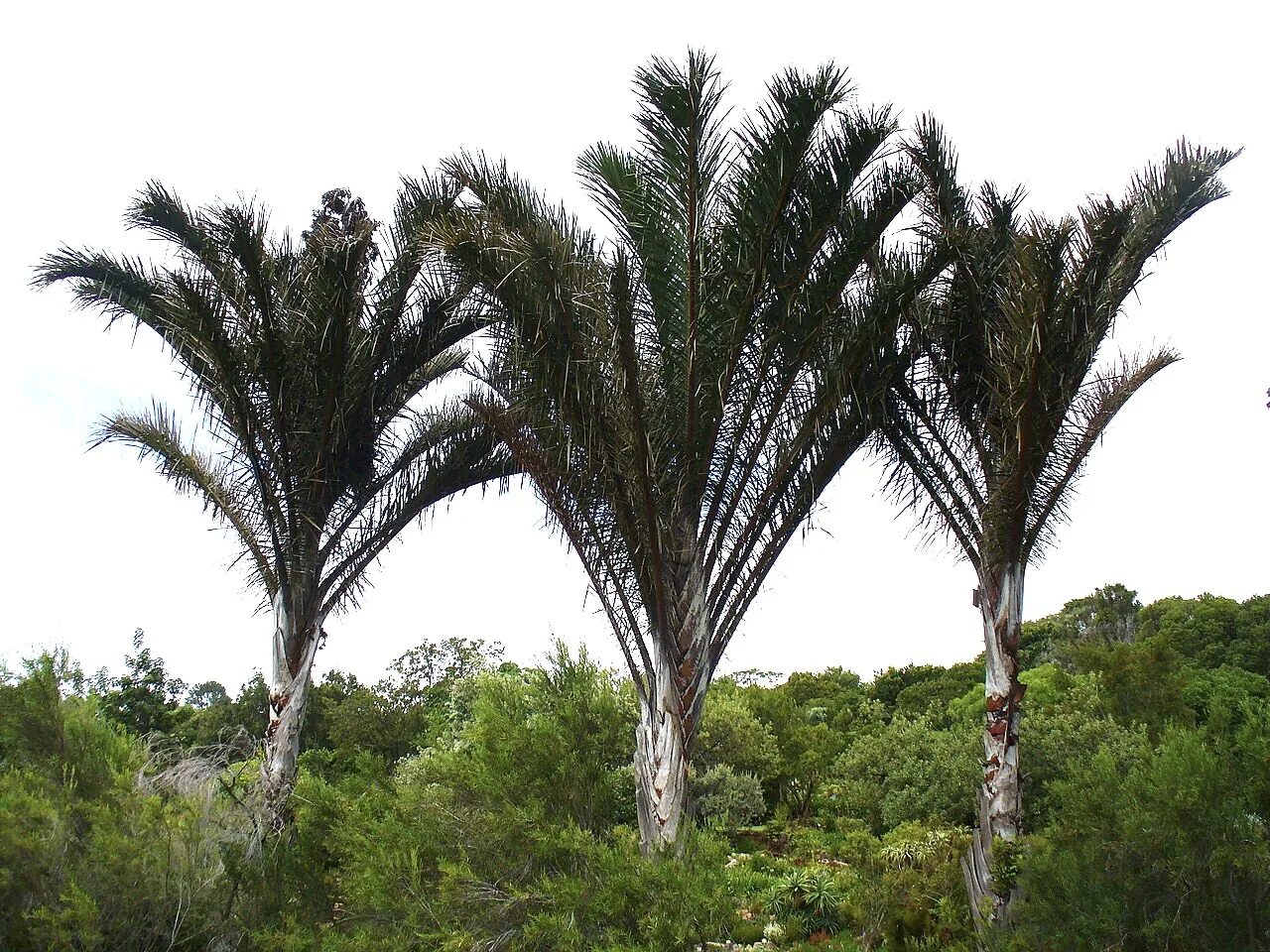
Natural raffia comes from palms in the genus Raphia, in the palm family Arecaceae. Raphia farinifera, a major commercial source associated with Madagascar, grows in moist settings, including wet lowlands and areas near streams. Raphia hookeri and Raphia vinifera also yield raffia. In a material specification, distinguish young raffia leaflet strips from other palm-leaf strips, from coarser palm fibers such as piassava, and from synthetic products sold as “raffia,” which may be made from plastic tape. Ask for the composition when the trade name is ambiguous.
Natural Characteristics
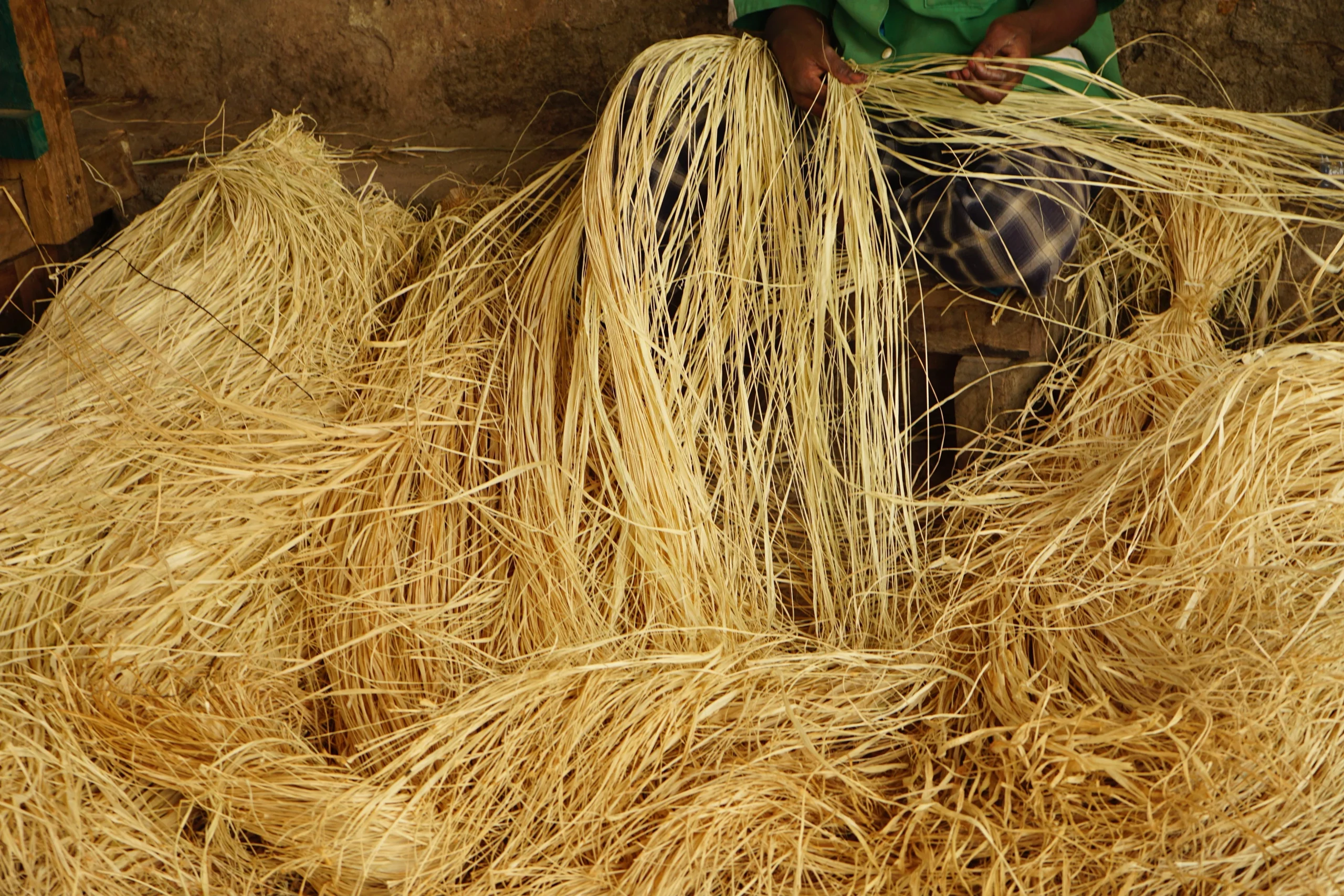
Undyed dried raffia typically has a creamy or straw-toned appearance. The thin, flat strips bend and fold readily, which helps with plaiting, tying and weaving. Strand width, shade, and surface texture vary, so wider strips can show stronger visual variation than finer, more closely sorted ones. Repeated bending at a tight edge or use in an exposed area should be evaluated on the finished construction.
Harvesting and Processing
In the traditional Madagascar process described by PROTA, young leaves are harvested and the leaflets separated from the central axis. A thin ribbon-like layer is stripped from fresh leaflets and dried. Prepared strips can be sorted by length, width and color, split finer, or dyed and dried again before weaving. Method and grading vary with the source and end use. These steps describe material preparation in the industry.
Weaving and Applications
Raffia can be woven as flat strips, plaited for a broader band, or twisted into a more cord-like strand. Documented uses include woven cloth, hats, bags, baskets, mats and decorative accessories. For interiors, flat woven raffia can be considered for textured wallcovering substrates, decorative panels, or accents in rugs and mats. Evaluate suitability for the intended traffic, cleaning method and installation on the complete construction.
Practical Considerations for Buyers
Start with an approved sample and agree acceptable variation in shade, width and visible joins. Ask whether the raffia is undyed or dyed and review color transfer and finish on the actual sample. For bonded substrates, test the selected backing and adhesive for bleed-through, adhesion, flatness and dimensional change after conditioning. Moisture exposure and cleaning should be evaluated for the end use. A natural fiber face does not establish the composition or performance of the finished product.
Sourcing Considerations
Ask for the palm source, harvesting method and any dye or surface treatment. If the raffia will be bonded to a backing, consider both materials when evaluating sourcing, care or end-of-life claims.
Raffia Development at Kim Phat
Kim Phat has developed woven raffia samples for wallcovering enquiries. Share your desired texture, color range, target dimensions, backing requirements and intended application so our team can review the proposed weave and confirm whether a sample or trial is suitable for your project.
Explore Products and B2B Enquiries
Explore woven wallcovering materials and Rugs & Mats. For a raffia brief, include your intended use, reference texture, finish and expected quantities.
Technical References
Kew Plants of the World Online · PROTA raffia palm profile · PROSEA fiber plants handbook
Explore Other Natural Materials
Explore the other approved natural material guides.